Hybrid Event AV Production in San Francisco

One Bay Area crew for the room and the live stream

What does hybrid event AV actually involve?

A hybrid event has two audiences and they need different things. The people in the room need to hear the speaker and read the screen. The people watching from elsewhere need a feed that carries the same audio, the same slides and the same sense of being in the room. Those are two jobs, and the second one is where most hybrid events come apart, because it gets treated as an afterthought.

We run both with one crew. Room audio, screens and staging for the people in front of you, and an encoded feed streaming to the internet for everyone else, taken from the room audio mix rather than from a camera microphone. Remote presenters, slides, graphics and breakout rooms are part of the same plan instead of something bolted on afterwards.

Most of our work is corporate: all-hands, conferences, product launches, investor meetings and panel discussions across San Francisco and the Bay Area.

What Westwave handles for a hybrid event

Our hybrid event services cover both audiences with one crew and one plan. The live streaming event services and the in-room AV are quoted and run together rather than as two separate jobs.

In the room: the sound system and microphones, the screens and what goes on them, stage lighting, staging, and a technician who runs it while the event is happening.

Live streaming to the remote audience: cameras, switching between them, and a stream sent out to Zoom, Teams, YouTube, or wherever your audience is watching. The audio on that stream comes off the room’s own mixing desk, which is the single biggest difference between a stream people stay on and one they leave. Where a presenter is joining from somewhere else, we bring them in, cue them, and put them on the screens in the room.

Streaming to more than one platform at once is straightforward. So is recording the whole thing for people who could not attend, and breaking sessions out into separate streams for breakout rooms.

Choosing a venue first? Our guide covers the top San Francisco venues for live streaming events.

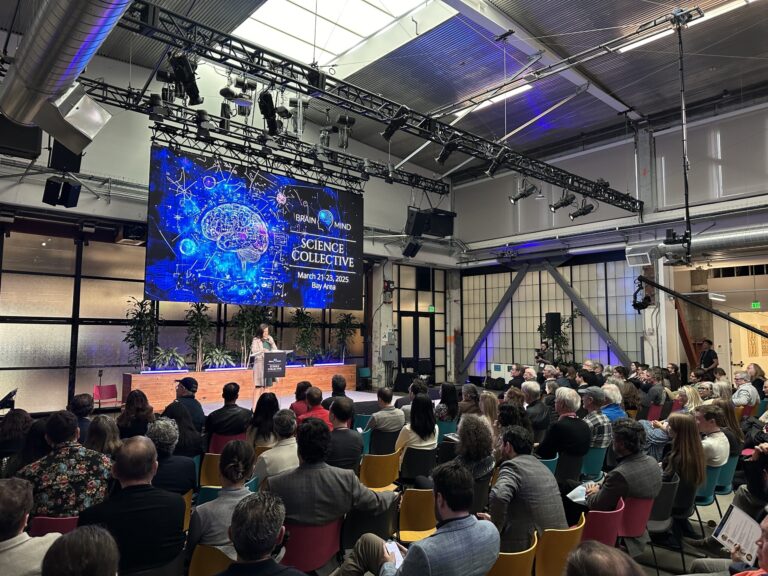
Hybrid event AV production for a San Francisco corporate event
Load-in for Framework. The part of a hybrid event nobody photographs.

Hybrid formats we run in the Bay Area

Westwave AV is a hybrid event production company based in San Francisco, and the formats below are the ones we run most:

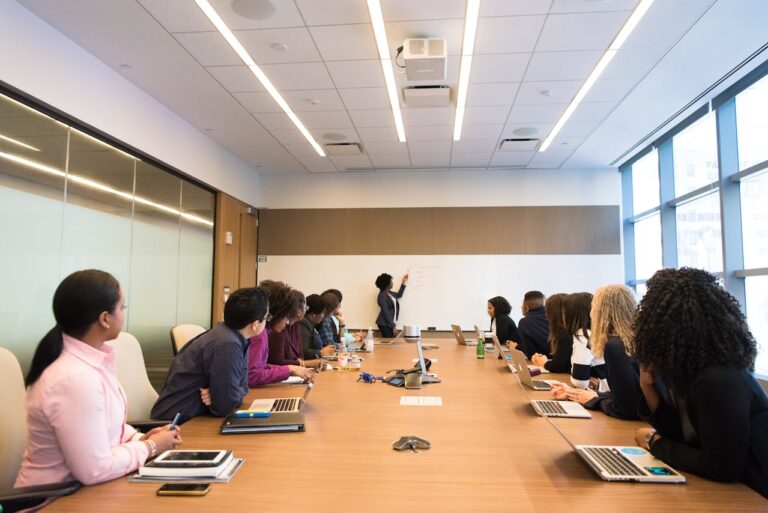
Corporate meeting hybrid AV setup with room audio and a remote feed, Westwave AV

Corporate Meetings

Stream important moments securely. We offer enterprise-grade encryption, password protection, and private streaming platforms to protect sensitive content. Whether it's a confidential board meeting or an internal all-hands, our team takes security seriously.

Hybrid conference AV setup with multiple cameras and stage lighting in San Francisco

Conferences

Keynotes and breakout sessions, with multiple cameras switched live so the screens in the room and the stream going out both follow whoever is speaking. Sessions can be recorded at the same time.
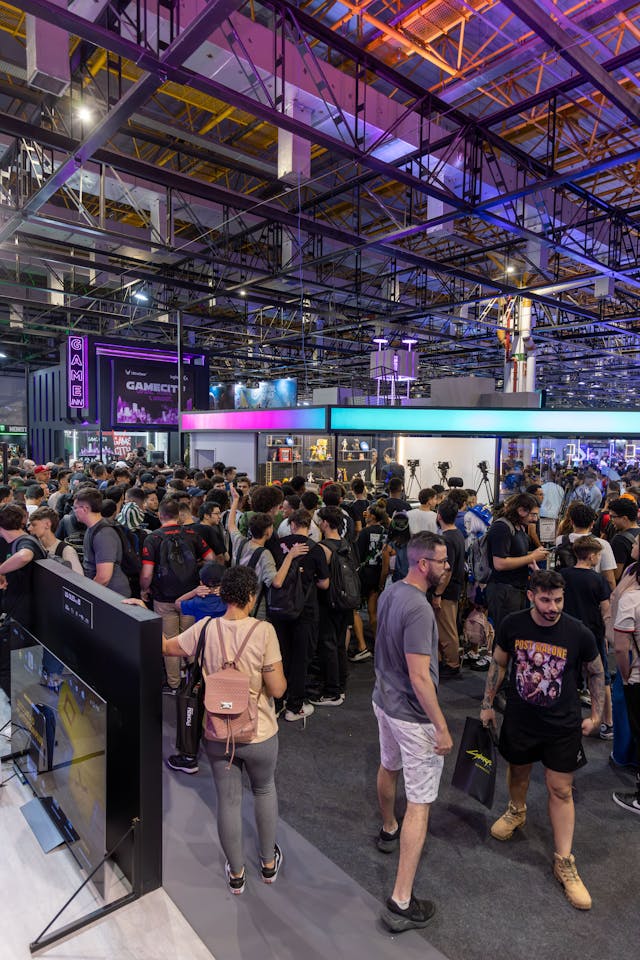
Trade show hybrid AV setup with exhibitors and attendees on the floor

Trade Shows

Booth demos and stage sessions on a show floor, with the noise and the power constraints that come with one. Where the session is streamed, remote viewers are usually watching on a laptop or a phone, so we check the stream back on the same devices your audience is using.
What goes wrong at hybrid events, and how we prevent it

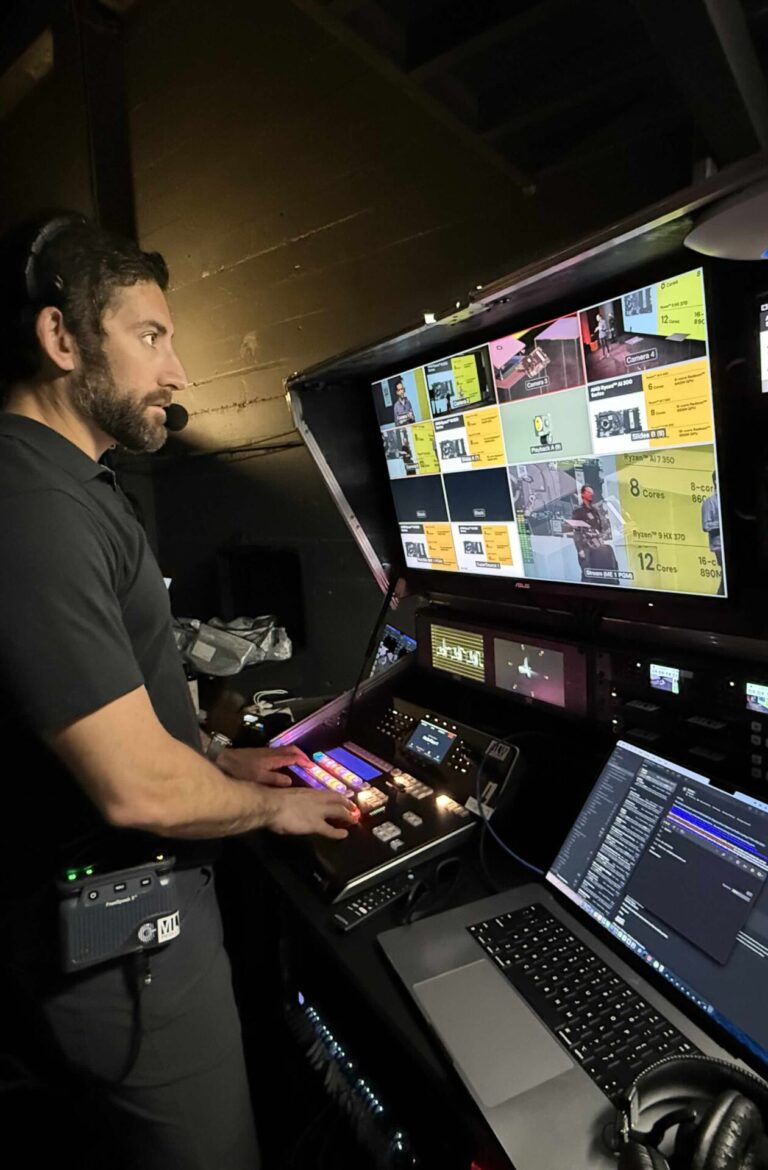
Three things account for most hybrid failures and none of them are exotic. The venue upload speed is rarely what the sales sheet claimed, so it gets tested on a site visit rather than trusted on the day. On a multi-room programme the crew brings a connection of its own as well: a Starlink terminal, two distributed access points and a bonded router, so the stream is not resting on the house line alone. The stream often carries a camera microphone instead of the room mix, so remote attendees hear the air conditioning and not the speaker, which is why we patch from the audio desk every time. And the remote presenter is frequently not ready when the run of show reaches them, so we hold a separate line open and cue them ourselves.

The same thinking runs through playback. The deck, the video playback, the Zoom playback and the Zoom room management each sit on their own computer, with a fifth machine there only as a backup, so a failure in one does not take the session with it.

The rest is preparation. We walk the room, agree who calls the show, and rehearse the transitions with the same people who will run them on the day. Recording and post-event edits are handled through our event video services.

How we plan a hybrid event production

The same team plans the event and runs it. Nothing gets handed between crews on the day.

What we work out before the day

The run of show and who presents remotely. The venue’s upload speed, tested on a site visit rather than trusted on the day. Where the room audio patches into the stream. Who calls the show. Then a rehearsal of the transitions with the same people who will run them live.

When to book a hybrid event production

Earlier is cheaper, and not by a small margin. Booking inside two weeks adds 15 to 30 percent, because crew and equipment are committed early in this market and short notice means paying to move them off other work. If the date is known, the first conversation is the cheapest one.

What changes the price of a hybrid event

Three things, and none of them are the equipment list. Whether the venue has a contracted in-house AV provider, which can bring patch fees or charges for bringing outside kit in, all set by the venue rather than by us. Whether the venue or the city property requires union or prevailing wage labour, which some San Francisco venues do. And how much of the production is built rather than rented, because a custom set involves weeks of design, manufacturing and install.

Power and rigging are usually provided by the venue, or we bring a generator, so they do not normally appear as a separate line. Load-in timing does not generally change the price.

Line icon of four people around a shared point, connected by arrows

Consultation

We agree the run of show, who presents remotely, and how the room feeds the stream. Streaming to more than one destination is fine.

Line icon of a calendar with a screwdriver and spanner across it

Technical Prep

We rehearse the transitions, test the room audio patch into the stream, and check the venue upload speed before the day rather than on it.

Line icon of a video camera on a tripod

Live Execution

A technician watches the stream on the same platforms your audience is watching on, and fixes what needs fixing while the event is running rather than after it.

Full recordings from recent hybrid events

Both of these are the complete stream as it went out, not a highlights reel. The Framework product launch runs about forty minutes. The World Food Program Innovation Accelerator session runs about an hour and a half.

Sample live stream from the Framework launch event.

Sample live stream from the World Food Program event.

Scroll to Top