YALCON: On Tour, four cities and one production package
Young Americans for Liberty took YALCON: On Tour to San Francisco, Atlanta, St. Louis and Washington DC. Westwave AV supplied the production at four stops, with the same package built in every room.
- EventYALCON: On Tour
- CitiesSan Francisco, Atlanta, St. Louis, Washington DC
- Technical rolesA1, L1, V1 at every stop
- PackageProjection, staging, lighting, pipe and drape
- MonitorsConfidence monitors in every room
- RecordingSessions captured, decks integrated after
What repeats in every room, and what doesn’t
The short answer is that the kit list is the part you can pack.
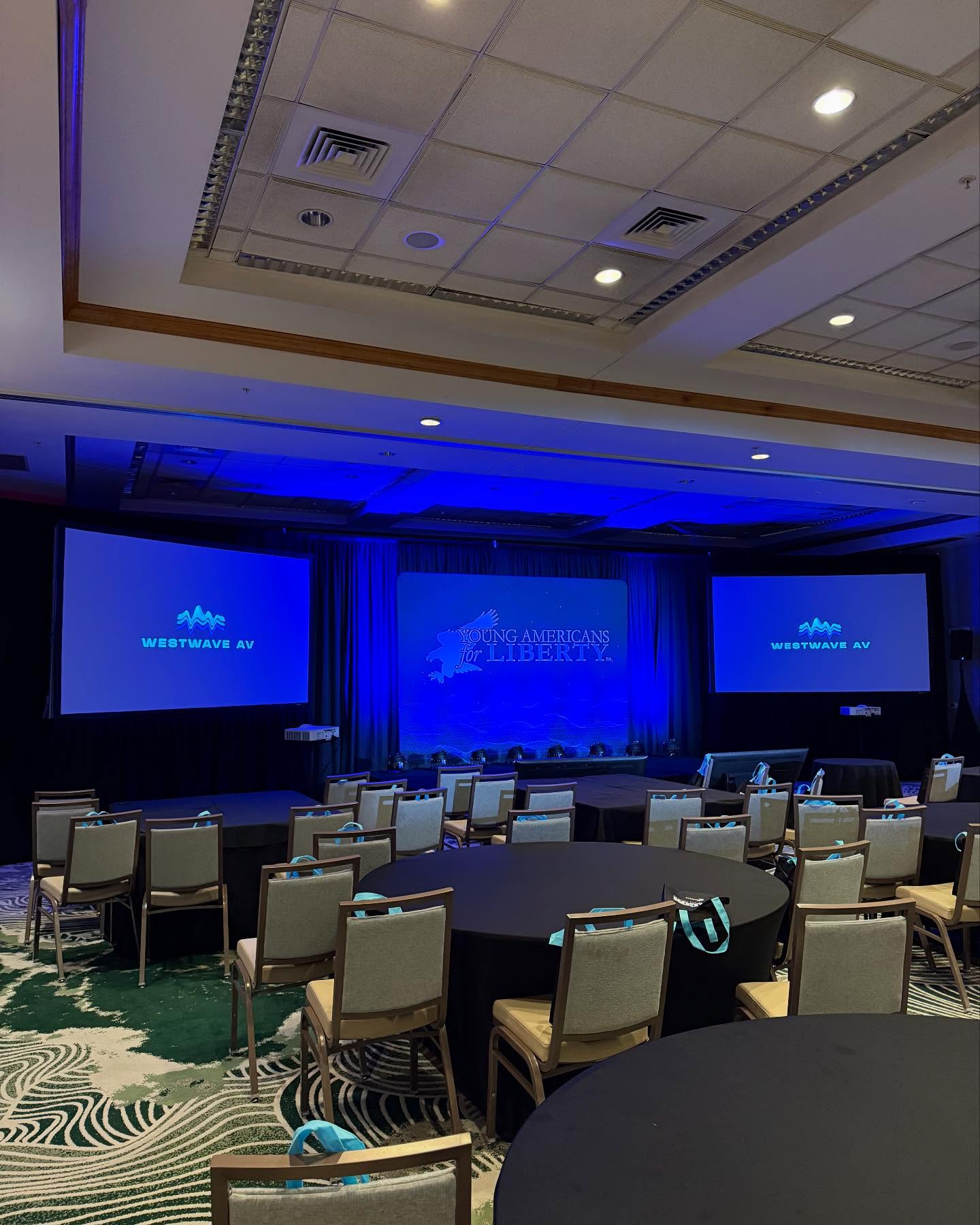
Every stop got the same package, which meant projection, staging, lighting, pipe and drape, confidence monitors and audio, with the sessions recorded. Same gear, same roles, same build order. What changed each time was the ceiling height, where the power came from, how the load-in door was placed and how much of the room you could actually see from the back.
That’s the whole difficulty of touring. Every room hands the production a different set of problems, and it has to absorb all of them so nobody in the audience can tell which room was easy.
Three technical roles in every city
Three roles traveled to every stop:
- An A1 on audio
- An L1 on lighting
- A V1 on video
Keeping the same three roles in the package matters more on a tour than at a one-off. The person who patched the room at one stop already knows what the rig should do by the time it goes up at the next. The second build is quicker than the first and the fourth is quicker again. Hand the show to a fresh local crew at every stop and you give all of that back.
Confidence monitors, and why they’re on the list
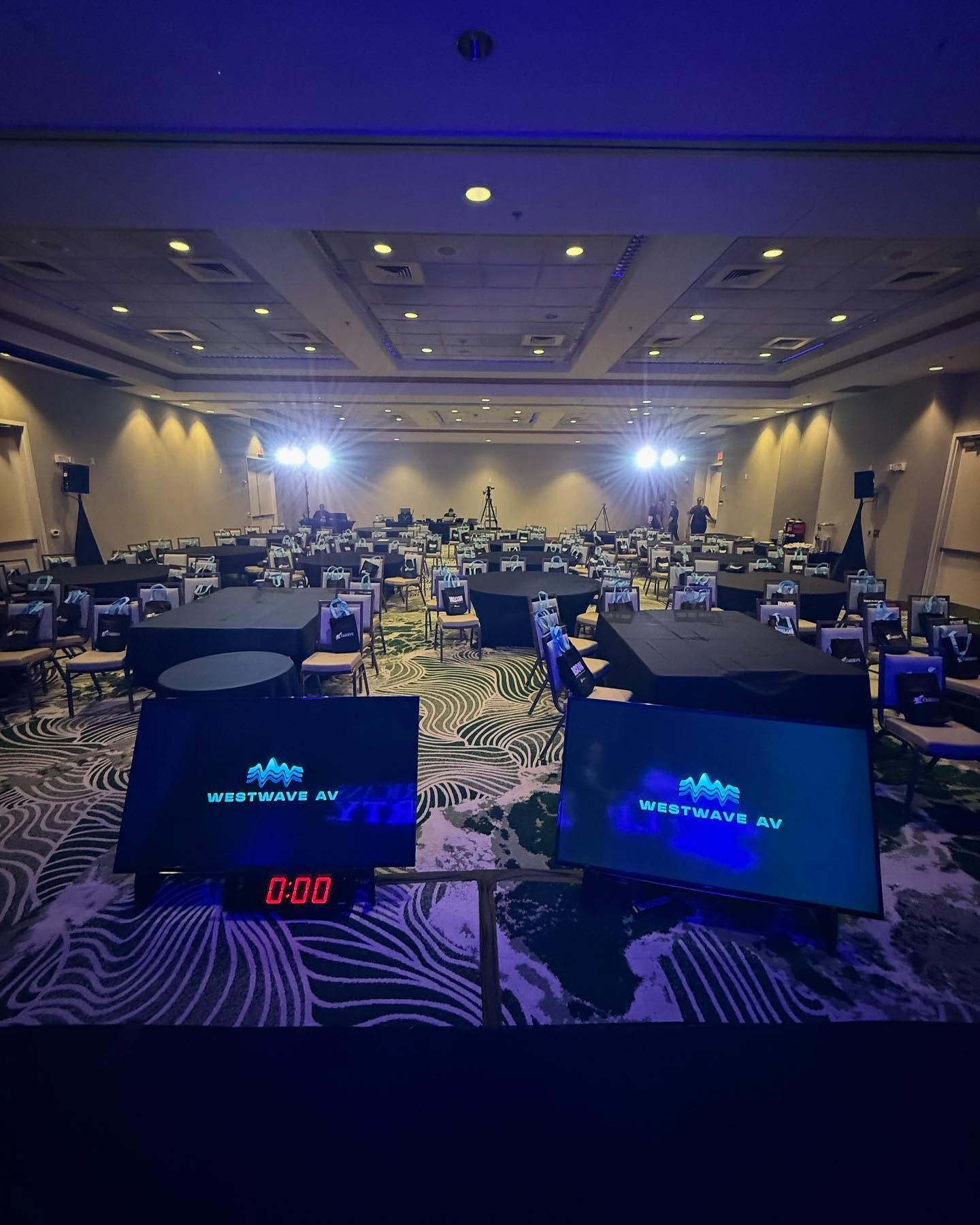
Speakers on a tour see a different room every night and often can’t see their own slides from where they’re standing.
Confidence monitors fix that, and they’re also the first thing cut from a kit list by somebody who has never stood on a stage and needed one. Pipe and drape does a similar job for the room, in that it stops a ballroom looking like a ballroom while hiding everything you’d rather the audience didn’t look at.
What the recording was for
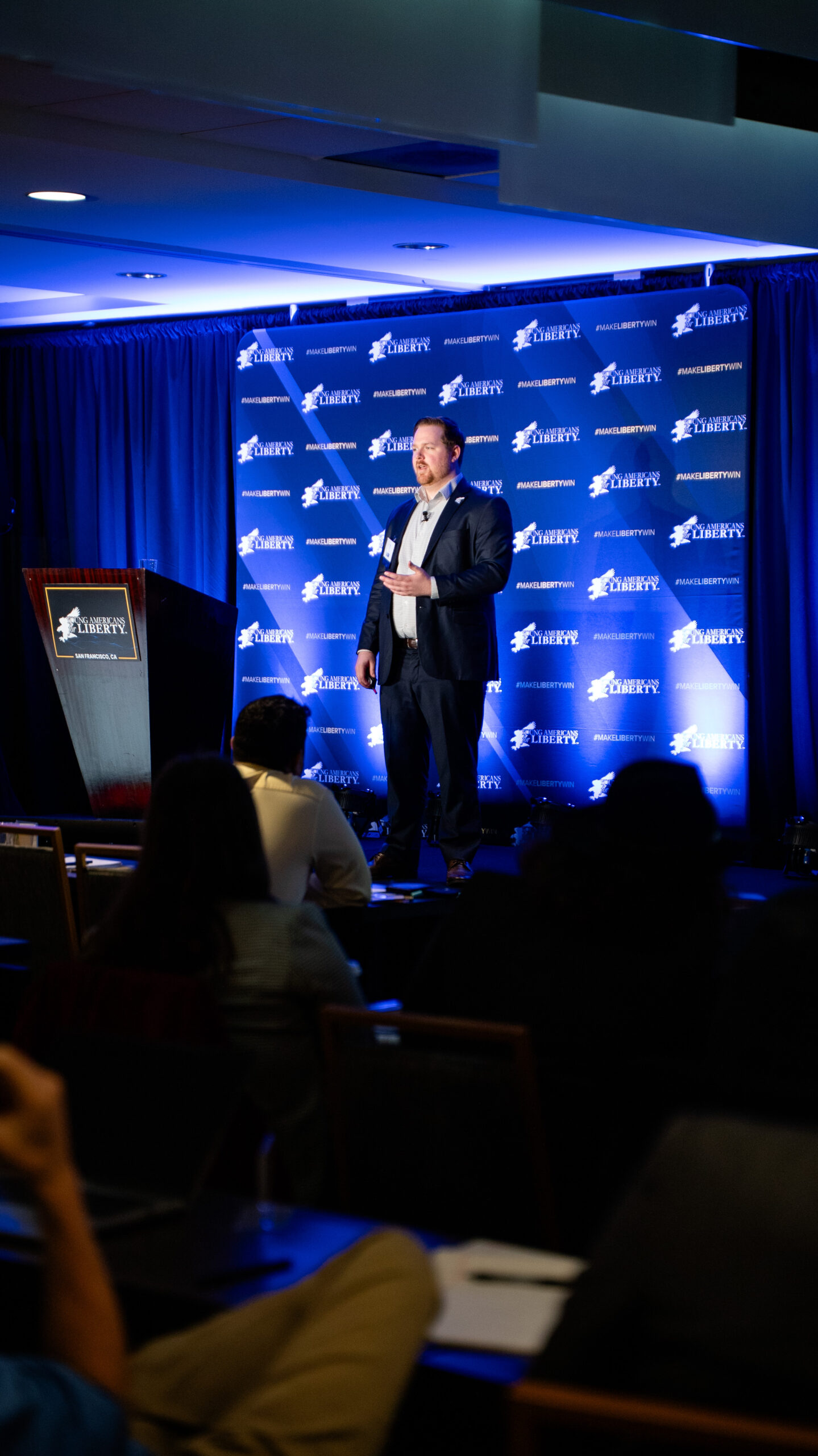
Sessions were recorded at each stop, with no live multi-camera cut, and the decks were integrated afterwards.
Skipping the live cut was a deliberate trade. Cutting one live is a different scope, and it hands you an edit you can’t revise.
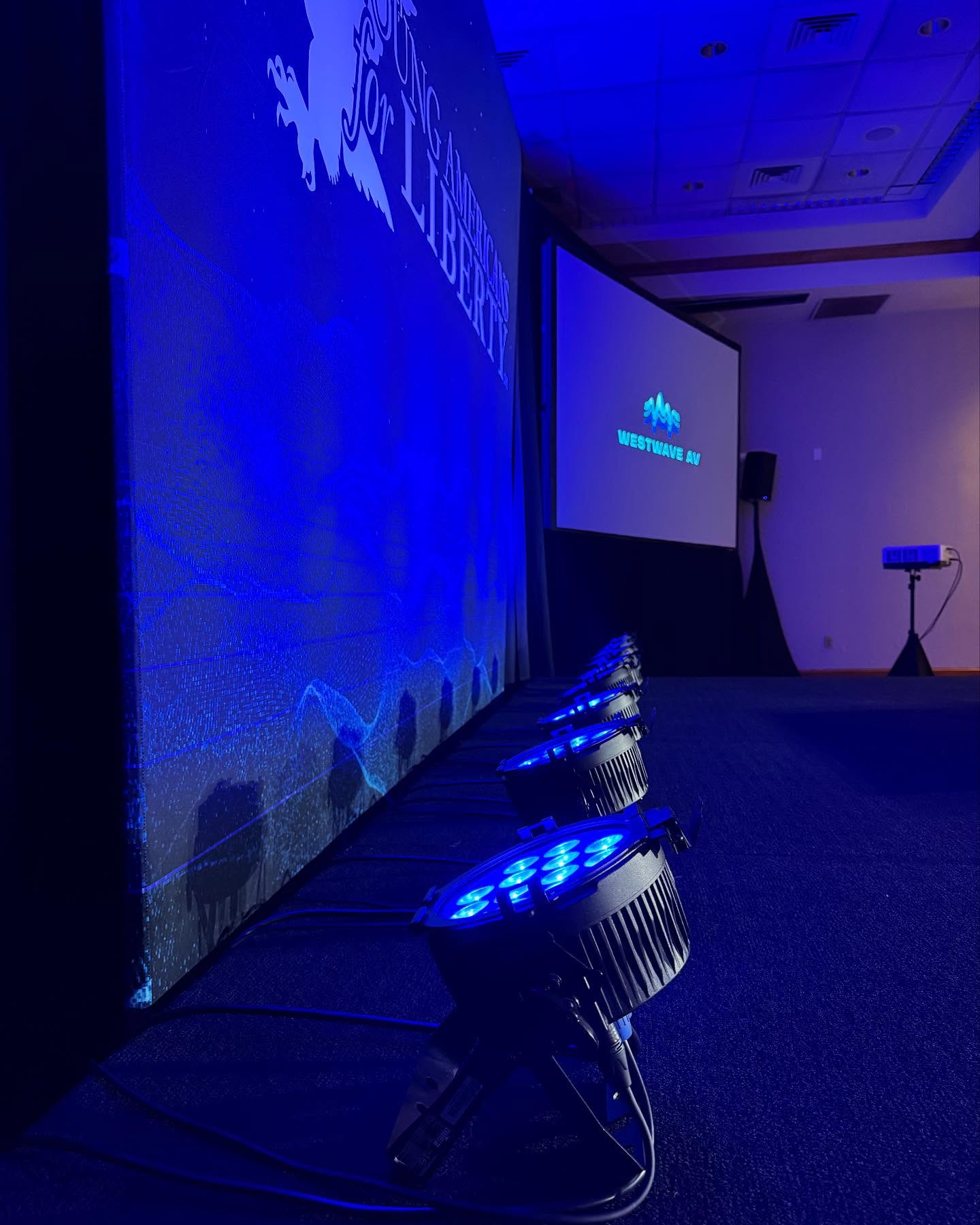
Four rooms, four load-ins
Atlanta ran two long days. Then the same production went up again in St. Louis, and again in Washington DC.
On a tour, that is close to the whole job description: get it done, strike it, and put it up again somewhere that’s laid out differently.
If you’re running the same production in several cities
Settle what’s identical before you book anything. The parts that must match in every city are the parts that go in the package, and everything else can be solved locally.
Then send the same technical roles to every stop, which is the difference between hiring a crew in each city and hiring a live event production company once. What that buys you is build time: by the fourth room your team is doing something it has already done three times.
And walk every room before you commit the package. Four venues that look interchangeable on a floor plan will not have interchangeable ceilings, power or doors.
If you’ve got a venue and a date, that’s enough for a walkthrough before anything gets quoted.
Talk to us about your event on the contact page.