Enterprise AV buyer guide
10 Questions to Ask Before Hiring an AV Production Company
Compare relevant work, technical ownership, venue fit, crew coverage and quote scope before comparing totals.
How to use this guide
Start with the room and program
Choose the company that can show it has run a room and program like yours, names one person who owns the technical plan, and gives you a quote that covers the same show you asked everyone else to price. An equipment list alone does not answer any of those questions.
For a corporate event in San Francisco, the venue belongs in the decision from the start. House AV terms, union roles, loading access, rigging, power and internet can change the plan even when the stage and audience look identical on paper.
Relevant production examples
Look for evidence that matches the job
A polished reel is not a substitute for the event format, room plan and production responsibilities.


What does the company need to know about your event?
A useful first conversation covers the room, the run of show and the people who have to use the system. Send the venue, date, audience size, room list and draft schedule before asking for microphone or screen quantities.
The production company should ask about:
- the general session and every breakout room;
- keynotes, panels, audience questions and remote presenters;
- slides, video playback, image magnification and recording;
- lighting, staging, scenic and sponsor requirements;
- access for load-in, rehearsal and strike;
- who can approve a scope or schedule change.
If you already have a room and date, the live-event production overview shows how the production disciplines fit together. For a smaller meeting, the corporate event AV page is the closer starting point. A multi-room program may be closer to Westwave’s conference and trade show production work.
Can it show comparable event work?
A client logo does not prove that the company ran the same kind of event. Ask what the team was responsible for, how many rooms ran at once, what the venue controlled and what changed after the initial plan.
The best evidence is specific:
- a case study naming the event format and production scope;
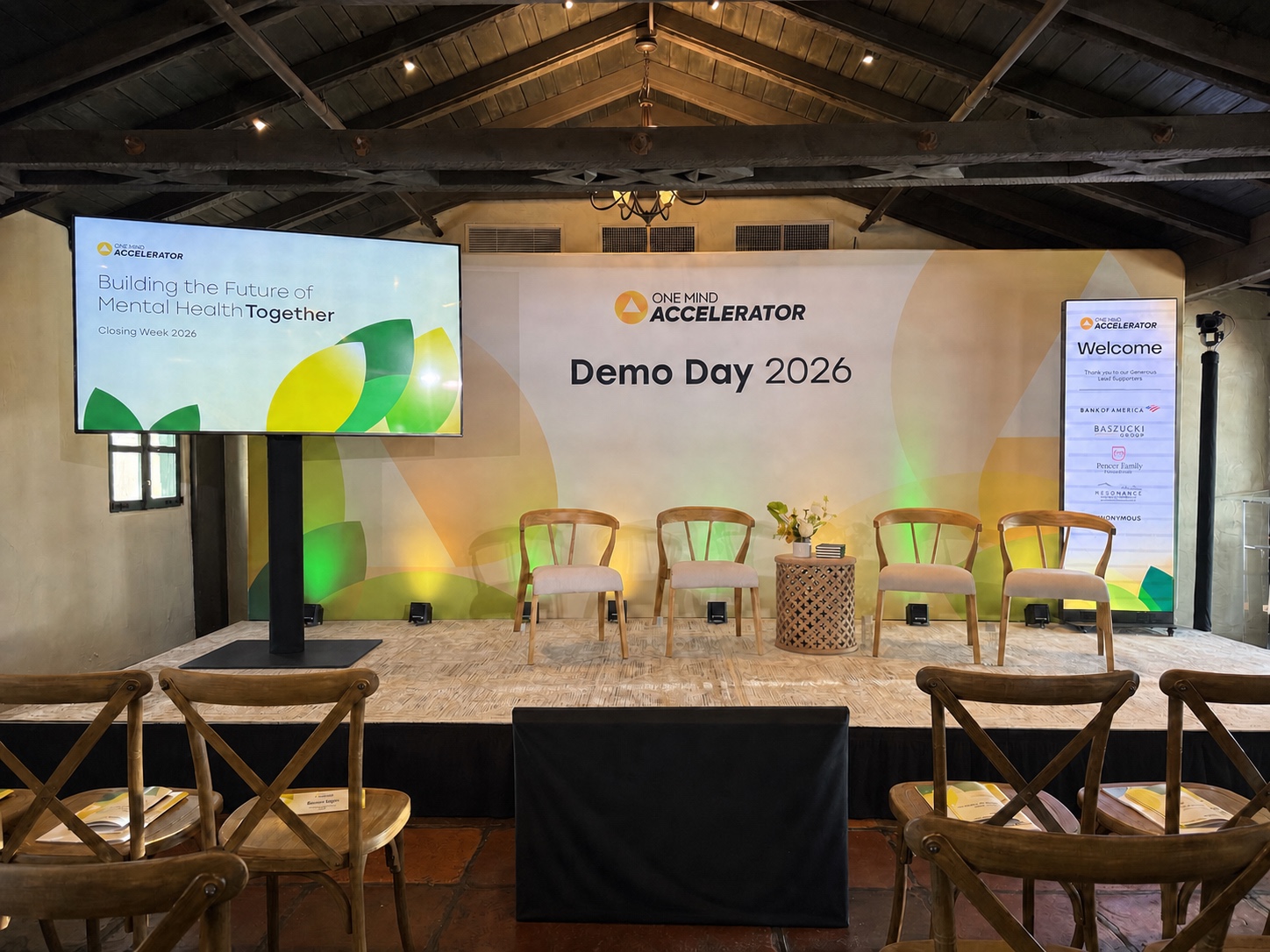
- photographs that show the actual room and front-of-house setup;
- a reference who can speak about planning and show day;
- an explanation of the constraint the crew had to solve.
Westwave AV’s published work includes multi-room, hybrid, touring and venue-takeover examples. Use the same standard with every bidder: compare a conference with a conference, not a highlight reel with a room plan.
Who owns the technical plan?
One person should be accountable for the production plan across audio, video, lighting, staging and the show schedule. That does not mean one person operates every system. It means the planner knows who decides when a cue, room or venue requirement affects several departments.
Ask for the role, not a promise that “the team will handle it.” Find out who:
- signs off the technical design;
- speaks with the venue;
- owns the run-of-show changes;
- leads rehearsal;
- makes the final technical call on show day.
Then ask whether that person is included in the proposal and present at the event.
Does the crew model fit the schedule?
The crew plan should name roles and call times. A general session with an audio lead, video lead, lighting operator and show caller is a different service from equipment delivered to a room with one roaming technician.
Compare the proposal with the actual schedule:
- Who is present for load-in and strike?
- Who attends rehearsal?
- Is each active room covered during the program?
- Can one technician realistically cover two breakout rooms at the same time?
- When does overtime begin, and what happens if the venue releases the room late?
Westwave AV quotes its core show roles as day rates, with overtime after 10 hours. Other companies may use different billing units. The important part is knowing which unit and which hours you are comparing. The San Francisco AV cost guide has the current Westwave planning ranges and crew-rate explanation.
Has the venue agreement been read?
Some venues reserve house sound, rigging, power, internet or labor. Others permit an outside team but add patch, supervision or access charges. Get the answer in writing.
Ask the venue:
- which services are exclusive;
- whether outside equipment can connect to installed systems;
- which union, house or shadow roles are required;
- who orders rigging, power and internet;
- what insurance and additional-insured documents are required;
- when the production crew can enter and when the room must be clear.
The full decision is covered in the guide to outside AV support versus the venue’s in-house team. Use that page to settle the operating model, then return to this checklist to choose the company.
Who owns the room and remote audiences?
A hybrid event needs a room mix, a remote mix, presenter return paths, a platform plan and a usable internet route. A line saying “streaming included” is not enough.
Ask who owns:
- the remote-presenter technical check;
- room audio sent to the platform;
- remote audio returned without echo;
- camera switching and presentation playback;
- captions or interpretation when required;
- the backup connection and the decision to use it;
- recording and delivery after the event.
The hybrid event AV guide covers these systems in depth. A bidder should be able to explain the handoffs in plain language before it explains the gear.
Is every company pricing the same show?
Two totals are not comparable until the inclusions and exclusions match. Give each bidder the same event brief and require the proposal to separate:
| Scope | What to compare |
|---|---|
| Equipment | Quantities, rental period, primary systems and backup equipment |
| Logistics | Delivery, loading, setup, strike and collection |
| Crew | Roles, call times, day length, rehearsal and overtime |
| Production | Planning, show calling, cueing and presenter support |
| Venue services | House labor, rigging, power, patching, internet and access charges |
| Hybrid and recording | Platform, remote support, captions, connection backup and deliverables |
| Commercial terms | Taxes, payment schedule, change process, cancellation and exclusions |
A proposal that leaves a required item out may look cheaper because it is pricing a smaller show. Use the accompanying Westwave AV event budget brief to send a consistent scope, then use the procurement checklist to record every exclusion. Add the public download links here only after the assets have stable URLs.
Use one scope with every bidder
Make the comparison auditable
The printable pack captures the event, venue and quote. The workbook adds a reusable evaluation scorecard and procurement tracker.
What gets tested before show day?
Rehearsal is where presentations, microphones, video cues and remote contributors meet the real system. Ask what the company tests before arriving and what it needs from presenters.
A useful answer should cover:
- slide and video-file deadlines;
- playback testing and backup copies;
- microphone and stage blocking;
- remote-speaker checks;
- show calling and cue review;
- a technical rehearsal with the people who will operate the event.
“We will test everything” is not a plan. Dates, owners and handoffs are.
What happens when part of the system fails?
Backup equipment matters, but the response matters more. Ask the bidder to name the failures it has planned around and who decides what happens next.
For a corporate program, that may include:
- a presentation laptop or playback failure;
- a wireless microphone problem;
- loss of a camera or video path;
- a remote presenter who cannot connect;
- loss of the primary internet route;
- a room or schedule change on the day.
The answer should fit your event. A generic redundancy paragraph copied into every proposal does not show that anyone read the run of show.
Can the company meet the procurement requirements?
Technical fit is only part of the award. Your procurement, legal, security and venue teams may need a purchase order, master services agreement, nondisclosure agreement, certificate of insurance, additional-insured wording, vendor onboarding, security review or staff badging.
Those requirements vary by buyer and venue. Put them in the request rather than assuming every company follows the same process. The accompanying procurement checklist keeps these administrative items next to the production scope so neither side discovers them during load-in week.
The final evaluation
Score every bidder against the written response, the interview and the supporting proof. Do not award points for a capability that was mentioned on a sales call but omitted from the proposal.
The choice should be explainable in one paragraph: this company has run a comparable event, has a workable plan for this venue and schedule, names the people responsible, and priced the complete scope. If the paragraph depends on “they seemed good,” the evaluation is not finished.
Westwave AV runs corporate events, conferences and hybrid programs across San Francisco and the Bay Area. Send the venue, date and draft schedule to start with the room rather than a guessed equipment list.
Planning a Bay Area event?
Start with the venue, date and draft schedule
Westwave AV runs corporate events, conferences and hybrid programs across San Francisco and the Bay Area.